
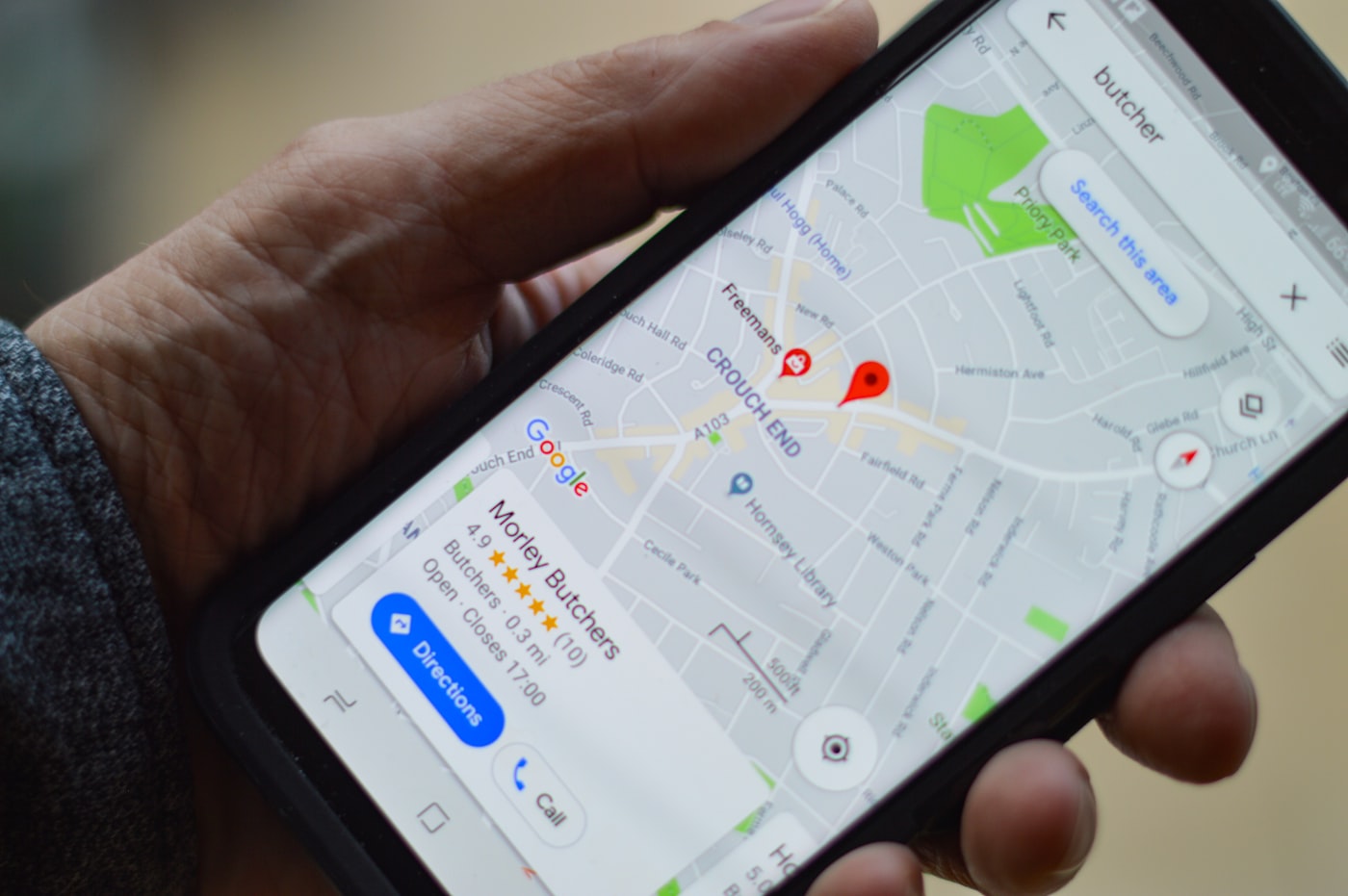
When a potential customer searches "electrician in Syracuse" or "best Italian restaurant near me," they're not looking to browse the whole internet. They want something close, available, and trustworthy, right now. Local SEO is what determines whether your business shows up in those searches or whether your competitor does.
This guide explains what local SEO is, how it works, and what it actually involves, in plain language, without the jargon.
What Local SEO Actually Is
Local SEO is the practice of optimizing your business's online presence so it shows up when people search for businesses like yours in a specific location. The goal is to appear when someone nearby is actively looking for what you sell.
That means showing up in three main places:
- Google Maps results — the map with pins that appears when you search for something local
- The local pack — the three business listings that appear below the map
- Regular organic search results — when someone searches "best HVAC company in Utica NY" and your website appears in the results
Local SEO is less about chasing national rankings and more about owning your corner of the map, your city, your county, your neighborhood.
Local SEO vs. Regular SEO: What's the Difference?
Both are about showing up on Google. The difference is who you're trying to reach and how Google evaluates your site.
Regular SEO (sometimes called organic or national SEO) is about ranking in search results regardless of where the searcher is. A company selling software nationwide doesn't care if the buyer is in Buffalo or in Phoenix. The main ranking factors are website content, authority, and technical health.
Local SEO adds a geographic layer. Google factors in where the searcher is and how close your business is to them. Your Google Business Profile, online reviews, and the consistency of your business information across the web all become major ranking signals, not just your website.
For most small businesses in Upstate New York, local SEO is the higher-leverage investment. You don't need to outrank every competitor in the country. You need to show up when someone three blocks away searches for what you do.
How Google Decides Who to Show in Local Results
Google uses three factors to rank local businesses:
Relevance
Does your business match what the person searched for? A general contractor who lists "roofing, kitchen remodels, and bathroom renovations" on their Google Business Profile is more likely to appear for "bathroom remodel contractor" than one whose profile only says "general contractor." The more clearly you communicate what you do and who you serve, the better Google understands your relevance.
Distance
How far is your business from the searcher (or from the location they specified)? Google can't move your building, but it can be influenced by how clearly you signal the areas you serve. This matters especially for service-area businesses — more on that below.
Prominence
How well-known and trusted is your business online? This includes how many reviews you have and what they say, how many reputable websites link to or mention your business, how complete your profile is, and how long you've been established online. Prominence is the factor you have the most control over, and it's where most local SEO work is focused.
What the Map Pack Is (and Why It Matters)
When someone searches something like "dentist in Rome NY," Google often shows a map at the top of the results with three business listings beneath it. That's called the local pack, and it gets the majority of clicks on the page.
Appearing in the local pack is often more valuable than appearing in the organic results below it. The pack shows your star rating, hours, phone number, and a link to your profile — everything a customer needs to decide to call you — before they've even visited your website.
The local pack is determined almost entirely by your Google Business Profile, not your website. That's why optimizing your Google Business Profile is the single highest-leverage local SEO move for most small businesses.
What Local SEO Actually Involves
Local SEO isn't one thing. It's a set of ongoing practices that together build your visibility in local search.
Google Business Profile Optimization
This is your starting point. Claiming and fully optimizing your Google Business Profile, selecting the right business categories, adding accurate hours, uploading photos, writing a clear description, and enabling messaging, gives Google everything it needs to match your business to relevant searches.
An incomplete or unclaimed profile is essentially invisible in map results.
NAP Consistency
NAP stands for Name, Address, Phone number. Google cross-references your business information across dozens of online directories, review sites, and local listings. When that information is inconsistent, "Main St" in one place and "Main Street Suite B" in another, it creates doubt about whether these are the same business.
Auditing and standardizing your NAP across Google, Yelp, Bing Places, Facebook, and major industry directories is a foundational local SEO task.
Online Reviews
Reviews affect both your rankings and your conversions. Google weighs review quantity, recency, and rating when determining local prominence. A business with 80 recent four and five-star reviews will consistently outrank one with 12 mixed reviews, all else being equal.
Responding to every review, including negative ones, signals to Google and to prospective customers that you're an active, engaged business owner.
On-Page SEO With Local Keywords
Your website still matters. Pages optimized with location-specific keywords, city names, neighborhood names, "near me" language in context, help Google confirm where you operate and who you serve.
A roofing company in Binghamton should have pages that mention Binghamton, Broome County, and the surrounding towns they serve, not just generic descriptions that could belong to a company anywhere in the country. This is what SEO services for local businesses specifically address.
Citations and Directory Listings
Beyond NAP consistency, having your business listed in relevant local and industry directories builds citation authority, a signal that your business is legitimate and established. Chambers of commerce, Better Business Bureau listings, and industry-specific directories all contribute.
Who Needs Local SEO?
Local SEO is commonly associated with businesses that have a storefront — restaurants, shops, salons. But it's equally important for service-area businesses: plumbers, electricians, HVAC technicians, cleaning services, landscapers, and others who go to the customer rather than the other way around.
Google Business Profile lets you define a service area instead of (or in addition to) a physical address. This means your business can appear in map results for searches in the towns you cover, even without a walk-in location.
If any of the following describes you, local SEO applies to your business:
- You serve customers in a specific city, region, or set of zip codes
- You rely on phone calls, form submissions, or in-person visits from local customers
- Your competitors are already appearing in Google Maps and you're not
- Someone searching "[your service] in [your city]" is exactly the kind of customer you want
What Local SEO Won't Do
It's worth setting expectations clearly. Local SEO is not a fast fix and it's not a one-time project. It's an ongoing investment that compounds over time.
You won't see overnight results from optimizing your Google Business Profile or adding location keywords to your site. But three to six months of consistent effort, reviews coming in regularly, your profile kept current, your website speaking clearly to your local market, produces rankings that hold and grow.
The businesses that show up reliably in local search aren't necessarily the best-reviewed or the longest-established. They're the ones that showed up consistently in the digital work.
Frequently Asked Questions
What is the difference between local SEO and regular SEO?
Regular SEO focuses on ranking in search results regardless of where the searcher is located. Local SEO focuses specifically on appearing when someone searches for businesses near them, in map results, local pack listings, and location-based queries like "plumber in Syracuse." Local SEO relies heavily on your Google Business Profile, reviews, and NAP consistency. Regular SEO relies more on website content depth and backlinks from other sites.
How long does local SEO take?
Most businesses see meaningful movement in local rankings within 3 to 6 months of consistent effort. Some quick wins, like fully optimizing your Google Business Profile, can show results in a matter of weeks. More competitive markets and broader keyword targets take longer. Local SEO compounds over time: the work you do today keeps building authority for months and years ahead.
Is local SEO free?
The core tools are free. Google Business Profile costs nothing to claim and optimize. Google Search Console is free. Basic on-page changes are things you can do yourself. What costs money is time, either yours or an agency's. For many business owners, their time is worth more than the cost of hiring someone to handle it consistently.
Does every business need local SEO?
Any business that serves customers in a specific geographic area benefits from local SEO, whether you have a storefront or visit customers at their location. Restaurants, shops, and service businesses like HVAC, landscaping, and cleaning all benefit equally. If nearby customers searching for your service category on Google are the kind of customers you want, local SEO is relevant to your revenue.